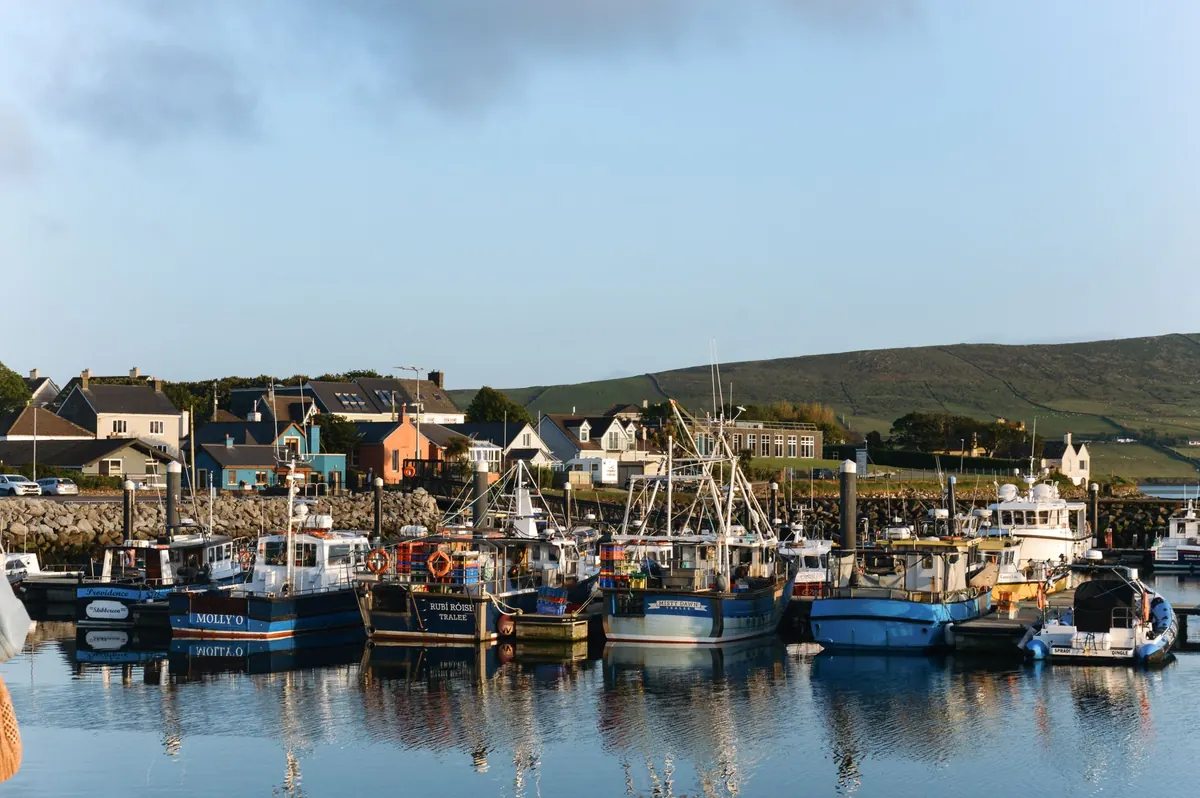
A coastal stay is decided by small things. Whether someone tells you that the path down to the cove floods at high tide, whether the keys can be handed over at nine in the evening because your ferry ran late, whether the person replying to your messages has actually stood on the terrace at sunrise. Booking direct or booking through a platform looks like a question of price. In practice it shapes how the whole stay is arranged: who you talk to, what happens if your plans move, and what you pay once every fee has been counted. Here is what is worth checking, roughly in the order it matters.
Two Different Relationships, Not Just Two Prices
When you book through a platform, your contract is usually with the property, but your conversation starts with a company that hosts an enormous number of listings. Search, payment, reminders and often dispute handling run through that layer. Booking direct, you skip it and write to the people who run the house.
Neither route is automatically better. Small coastal properties — a converted barn above a bay, a handful of rooms with a shared garden — often have one person handling everything. That person can be wonderfully responsive, or slow in the middle of a Saturday changeover. A platform gives you a predictable interface and a record of everything. Direct gives you a human who knows which room is quietest and when the beach bar closes.
Communication: Ask One Real Question Before You Book
The quickest way to judge a booking channel is to send a question that cannot be answered by copying and pasting. Not “is parking available” — that is on the listing — but “our car has a roof box; will it fit under the gate?” or “we arrive by train at 21:40; can someone meet us?”
What direct usually gives you
Direct email or messaging lets you send a photo, a map pin, a screenshot of a timetable. It also tends to reach the person who can actually decide: yes, you can leave bags at eleven, yes we can put a cot in the small room, no, the restaurant along the road is closed on Tuesdays in June.
What platforms give you
Platform messaging keeps everything in one thread, which is useful if you later need a record. Some platforms restrict sharing phone numbers or links before booking, and replies may pass through a general inbox first. That is not a reason to avoid them, but it does mean the descriptions can be blander than the place itself.
Whichever you choose, get the final confirmation in writing: dates, number of guests, arrival time, and anything that was promised along the way.
Cancellation Terms: Compare the Deadline, Not the Word “Flexible”
“Free cancellation” means nothing until you know the deadline, the time zone it is measured in, and what counts as a cancellation. Two listings can both advertise flexible terms and still treat a date change very differently from a cancellation.
On a platform, the policy attached to your specific rate is what applies — the same property may sell a non-refundable rate and a flexible one side by side. Booking direct, the property sets the terms, which are often close to the flexible rate, sometimes with a modest deposit instead of full prepayment.
Check these points before you commit:
- The exact date and hour after which cancellation stops being free, and whether that is local time at the property.
- Whether the deposit is refundable, and how long a refund takes to reach your card.
- When the balance is due, and whether it is charged automatically.
- What happens if you shorten a stay rather than cancel it.
- Whether a change of dates is treated as a cancellation — quite often it is.
Ask for the terms in an email or message you can find again later, even when they are also on the listing. If the two ever disagree, you want to know which version you were given.
Fees: Build the Real Total Before You Decide
A nightly rate is a starting point. The number that matters is what actually leaves your account, and that number is assembled differently by each channel. Compare the same dates and the same number of guests, and look for:
- Service or booking fees charged by the platform, usually shown late in the process and calculated on the subtotal.
- Cleaning fees, which some properties include in the nightly rate and others add separately.
- Local tourist tax, often payable on arrival and rarely included in an online quote.
- Card surcharges or currency conversion, especially if the property charges in euros and your card is in another currency.
- Extras: parking, pets, a cot, late check-in, beach towels.
- The security deposit — is it held or charged, and when is it released?
A direct rate that looks slightly higher can still be cheaper once a platform fee and a separate cleaning charge are added. Equally, a platform's package price can beat a direct quote that leaves out tax. Neither is a rule. Where a deposit or refund is large, it is worth asking your bank about timing and conversion costs before you pay.
Flexibility: The Small Requests That Shape a Trip
Coastal travel collects delays. Ferries, winding roads, summer traffic, a child who needs a nap at exactly the wrong moment. Flexibility is less about the headline policy and more about whether small changes are possible without a fee and a form.
Direct bookings often leave room for the informal: arriving two hours early and leaving bags in the garden, adding a third night mid-stay, keeping the room until the afternoon because the flight was moved. None of it is guaranteed — the house may be full — but you can ask a person and get a real answer.
Platforms are better at structured flexibility: documented change requests, standardised refunds, a formal route if the flat is not what was shown. That structure has value, particularly on a first trip to an area you do not know. Ask about the payment rhythm too. Some small properties take a deposit now and the balance on arrival; platforms usually charge on a fixed schedule.
A Short Checklist Before You Click
- Send one specific question and note how long the reply takes.
- Save the cancellation deadline, with the time zone.
- Add up every fee until you have a total, including tax and deposit.
- Confirm arrival time, key handover and parking in writing.
- Ask what happens if your ferry or train is delayed.
- Check whether the property's own terms differ from the platform's summary.
- Keep the confirmation until after you have checked out.
Choosing With Your Eyes Open
Book direct when the trip is specific: a long stay, a group, a special request, a property small enough that the person answering is the person making the beds. Book through a platform when you want a standardised record, are reserving a place you cannot easily verify, or value a formal dispute route more than a friendly email.
Whatever you decide, compare on the same basis — same dates, same guests, total price, written terms. A direct booking that is not cheaper can still be the better one because of how fast someone picks up the phone when the ferry is cancelled. A platform booking that is not cheaper can still earn its cost through the paper trail. Know which of those you are paying for, and the choice stops being difficult.
Photo: Leeloo The First / Pexels