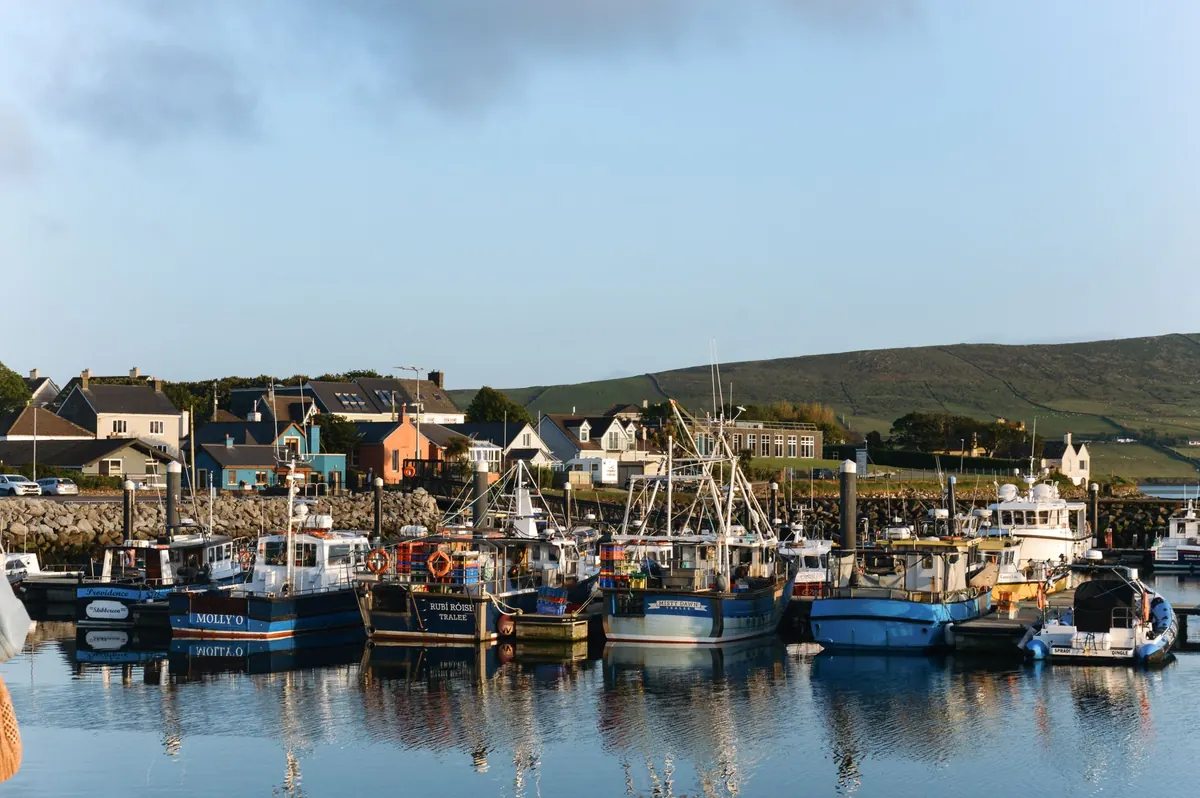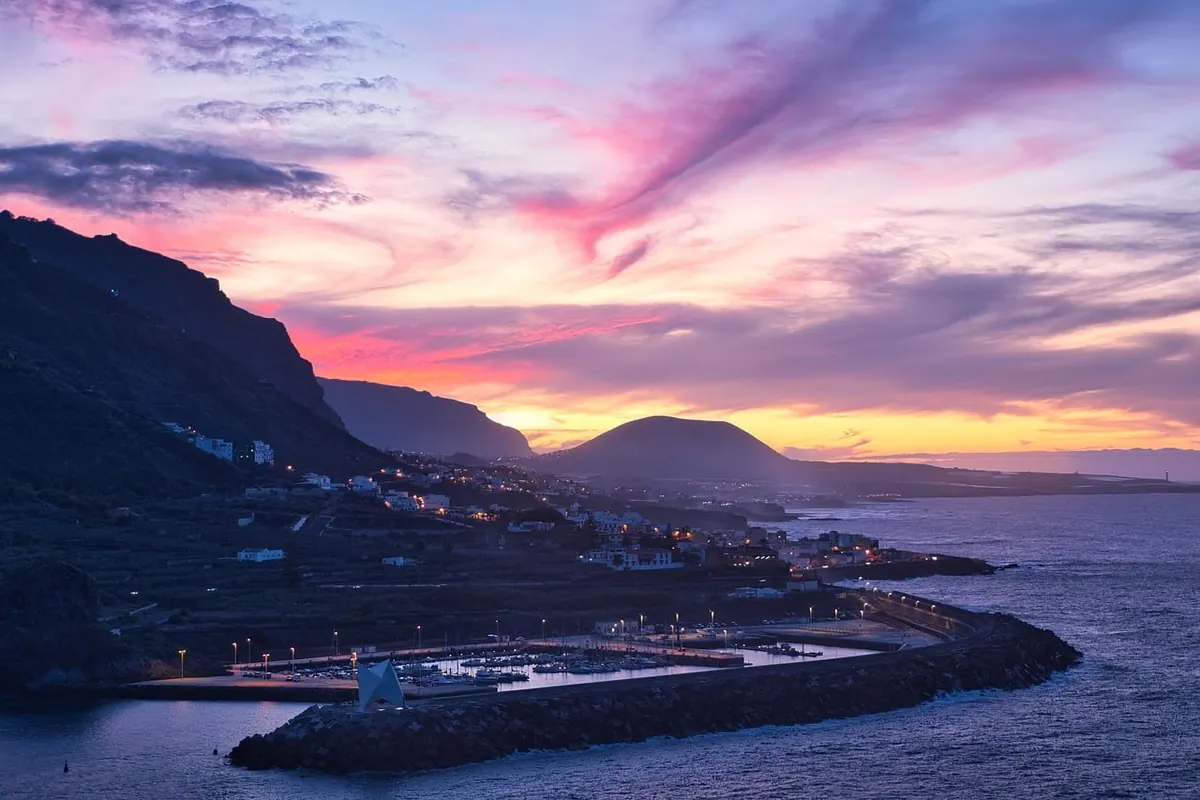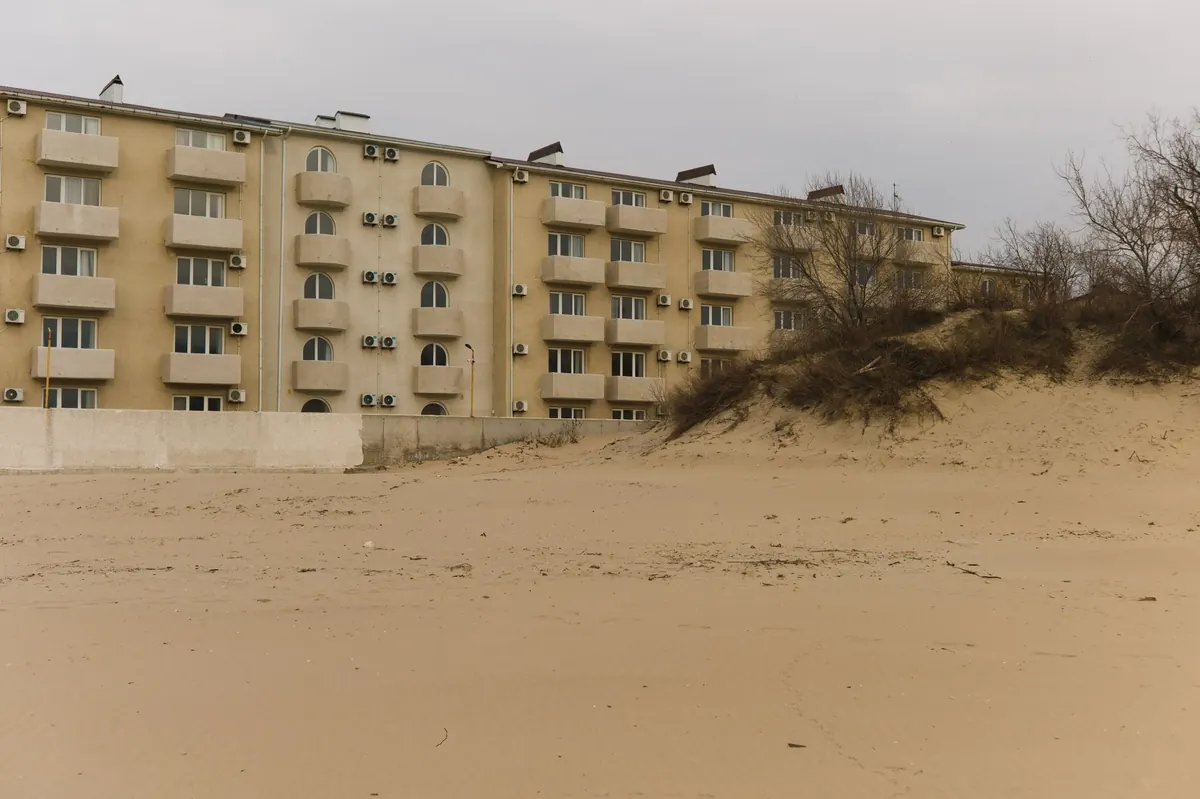
October at the bay is a different place. The light comes in lower, the water runs clearer after a week without speedboats, and you can hear your own footsteps on a beach that was standing room only in August. It is quieter in the practical sense too: a few places shut for the year, others keep shorter hours, and some of the best evenings happen indoors because the wind turned. None of that is a problem if you know what you are walking into. This is the honest version.
What the Season Actually Changes
Off-season travel is a trade, not a free lunch. You gain space, calm and attention. You lose certainty.
On the gain side: the beach in front of the house is yours at eight in the morning. The village bakery remembers your order by the third day. Rates soften outside the summer window, and you can usually stretch a stay by a night or two without it costing much. Roads are clear, parking is easy, and the people serving you are not running a hundred-cover lunch service on four hours of sleep.
On the loss side: the beach club with the sunbeds and the showers is likely closed. The bar that does good coffee on the sand may be shuttered. The nearest restaurant might open only for dinner, or only from Thursday to Sunday, and one or two places will have a hand-written sign saying they will see you in May. Boat trips and water-taxi runs thin out or stop entirely.
Weather is the other variable. Late September and October often deliver the most beautiful weeks of the year here — warm, still, with the sea holding summer heat. But a grey stretch can settle in for three days, and November can turn genuinely cool. Spring runs the same film backwards: March is quiet and unpredictable, May is close to perfect and busier for it.
What Stays Open at the House
The house itself does not close. The kitchen works, the outdoor spaces are still there for the hours the sun allows, and heating is available when the evenings bite. What changes is the rhythm and the extras — breakfast may be simpler or served later, and outdoor dining moves to the middle of the day rather than the evening.
Because small operations adjust week to week, the single most useful thing you can do is ask before you book, rather than after. A short message with your dates and a couple of questions saves a lot of disappointment.
- Heating and firewood: ask whether it is included or metered, and how it is controlled. In a stone building, this matters more than you expect in November.
- Breakfast and meals: confirm what is served off-season and until what time.
- Arrival timing: daylight ends early from late October. Ask about a late arrival before you book a flight that lands at dusk.
- Restaurant and shop days: many village restaurants close one or two fixed days a week — more in winter. Plan your two best dinners around the days they actually open.
- Transport: ferries, buses and boat excursions often switch to a winter timetable in late September. Check the dates, not just the times.
- Beach facilities: assume sunbeds, showers and lifeguards are gone unless told otherwise.
The Beaches, Minus the Crowd
This is the reason most people come back in the shoulder months. The public stretches that are packed in July are nearly empty, the water is clean and glassy in the morning, and you can walk a kilometre of shoreline without side-stepping anyone. Bring a mat instead of a sunbed, and plan to carry out everything you carry in — bins and bars are often closed.
A few practical adjustments. In autumn and spring there are no lifeguards on duty, so swim within your comfort and keep an eye on the swell yourself. Storms rearrange sand and shingle and can leave driftwood or debris on the beach; closed shoes are more useful than flip-flops for the first walk down. The sun is lower and sets earlier, so the good light arrives sooner and leaves sooner — mornings are the prize.
Wind is the variable that matters most
Ask which direction the wind is coming from before you pick a beach. A spot that is glorious on a still day can be unpleasant with an onshore breeze, while a bay facing the other way stays calm. Local advice beats any map here, and it changes day to day.
Building a Day Around the Weather
In summer you plan around reservations. Off-season, you plan around the forecast — loosely, and with a backup.
The pattern that works: get outside in the morning, whatever the sky is doing, because mornings are calmer and brighter. Walk, swim if the sea allows, take the long way to the village for coffee and bread. Keep the afternoon flexible. If the sun holds, stay on the beach until four and eat late and simply. If it turns, come in, light the stove, cook something slow, and let the evening be the event.
Keep one indoor plan in reserve for the day the weather wins: a drive inland to a hill town, a covered market in the nearest city, a long lunch somewhere with a fireplace, or an afternoon in the kitchen learning to make pasta badly and then eating it anyway. Three days of rain is much easier to take if you were never counting on a boat trip.
What to Pack for the Shoulder Months
- Layers, not a summer wardrobe. A warm jumper and a proper jacket earn their space in October and March.
- A waterproof shell that packs small. Not a heavy coat — a shell you can keep in a bag.
- Closed shoes with grip for wet sand, rocky paths and the walk down to the water.
- A small torch or headlamp for unlit lanes and stairs after an early sunset.
- A refillable water bottle and a mat for beaches without facilities.
- A little cash, since small bars and market stalls do not always take cards.
- Something to read that is not a screen, because the evenings are long and quiet in the best way.
Before You Book: A Short Checklist
Three things decide whether an off-season stay feels effortless or slightly off-key. First, be honest about what you want — if you need a beach club, a pool bar and a different restaurant every night, come in high summer. If you want empty sand, good food and long evenings indoors, this is your window.
Second, ask the questions above in writing, in one message, so nothing gets lost in translation. Third, plan your arrival for daylight and your first grocery shop for the same afternoon: markets and small shops keep shorter hours off-season, and arriving to a dark house with no coffee is a poor start to a beautiful week.
Then leave room for the weather to decide a few things for you. That flexibility is the whole point of coming now.
Photo: Daniil Ustinov / Pexels