A barn that once held hay, tools or a farmer's boat does not turn into a hotel the moment someone adds a bathroom and a bed. That is precisely the appeal. You get thick stone walls, a roof beam older than anyone in your family, a door you have to lift slightly before it closes — and the sea within walking distance. If you have only ever stayed in hotels or purpose-built rentals, a converted coastal barn asks for a few small adjustments. None of them are difficult. All of them are easier when you know what is coming.
What Rustic Means Once You Are Inside
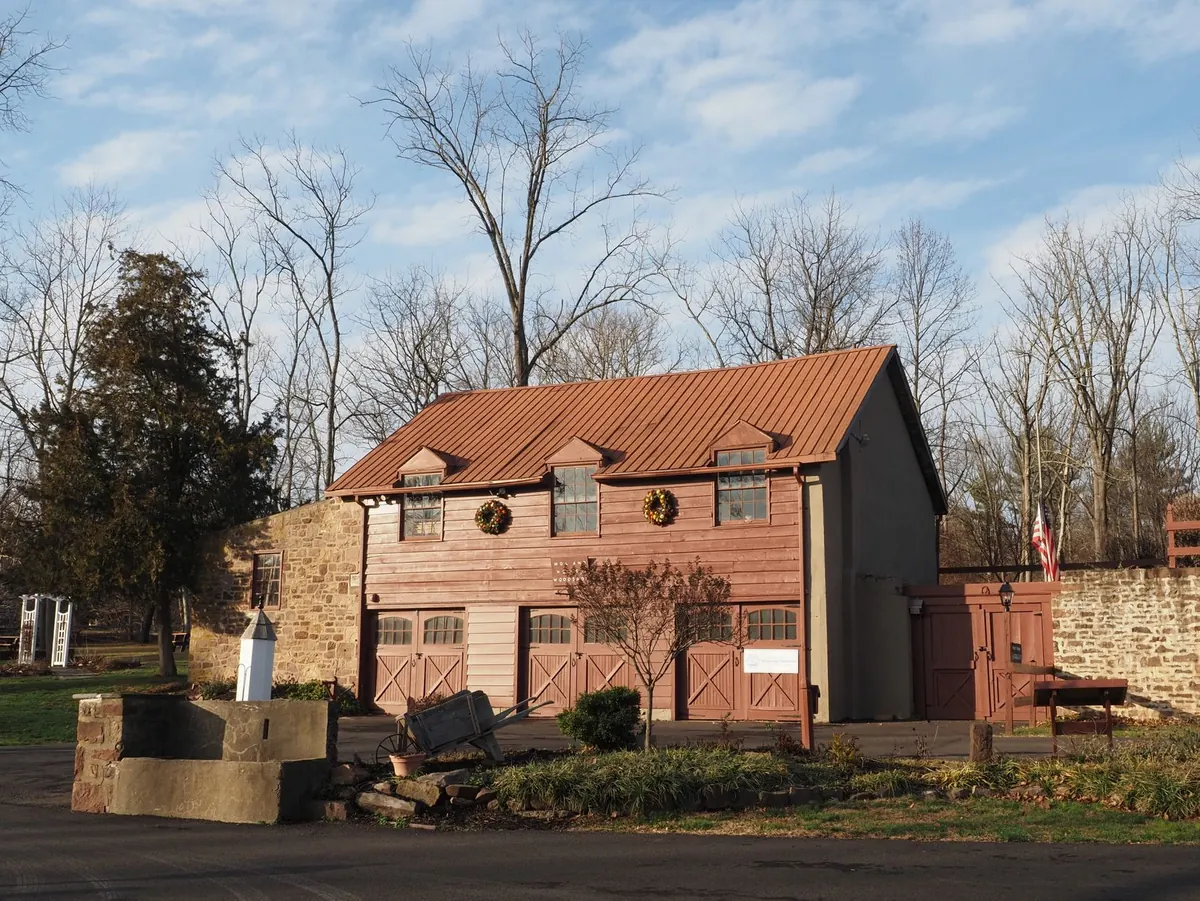
Rustic refers to materials and history, not to neglect. In a careful conversion you still see the original stonework, chestnut beams, brick arches, and perhaps the wide hayloft opening now filled with glass. Walls are often a meter thick, which is why the ground floor stays cool at two in the afternoon while the terrace outside bakes. In a hot coastal summer, that is not a decorative detail. It is the reason old agricultural buildings work so well as places to sleep.
Expect imperfection, and treat it as part of the arrangement. Floors in working farm buildings are rarely level; a terracotta surface may dip near a doorway where feet have crossed for a century. Door frames sit lower than modern ones, and a tall guest will spend the first day learning where to duck. Upstairs ceilings tend to be high and sloped, with beams that make furniture placement a puzzle, which is why you sometimes find a bed tucked under the eaves.
The distinction worth checking before you pay is between character and shortfall. Character is an uneven floor and a window that needs a wooden peg to stay open. A shortfall is cold water, a mattress with a hollow in it, or a single weak lamp for an entire room. A direct question to the host — "Is there air conditioning, and how is the shower pressure?" — separates the two faster than any photo gallery.
Light, Sound and the Shape of the Day
Shutters govern life in these buildings, and you should learn the habit quickly. Close them before you leave in the morning and the rooms stay dim and cool until evening; open them at dusk and the breeze moves through. The trade-off is that Mediterranean shutters do not block much light at the edges, so sunrise will find you around six in summer. If you sleep lightly, pack an eye mask and thank yourself later.
Sound travels differently here too. You may hear waves if the barn sits close to the water, cicadas from the fields behind, a church bell on the hour, a tractor, a scooter on the lane. In high season, beach clubs a few hundred meters away can carry until midnight. In May, June, September and October the same place can feel almost silent. If quiet matters, ask the host what the nearest venue is and how late it runs.
Salt air has practical consequences. Laundry dries fast in wind and slowly in still, humid weather; towels left on a rail may never quite crisp up. A line outside, used early, solves most of it. Books, phones and cameras are better not left on a terrace overnight, and anything metal will develop opinions about the sea air within a week.
Comforts You Can Reasonably Count On
Most well-run conversions now provide reliable hot water, decent Wi-Fi, a properly equipped kitchen and at least one fan. Air conditioning is common but not universal — old stone walls resist ducting, and some owners deliberately skip it. Ask, and ask specifically whether it is in the bedrooms or only the living space.
What is often missing is the small stuff, so bring or buy it on arrival:
- A small headlamp or torch for stairs and unlit lanes at night
- Earplugs and an eye mask, especially for summer stays
- Mosquito repellent and a plug-in for evenings near water or gardens
- Sturdy shoes with grip for stone paths and rocky coves
- A light layer for cool evenings, even in August
- A refillable water bottle and a market bag for daily shopping
- Any adapter you need for Italian sockets, plus a power bank
- Coffee that suits your morning habit, if you are particular
The Kitchen, the Bathroom and the Small Print
Barn kitchens are usually compact and honestly equipped: a good stove, a few solid pans, a fridge that fits a day's shopping. Sharp knives are the exception nearly everywhere. If you plan to cook properly, ask whether there is an oven as well as a cooktop, and whether the freezer has room for ice.
Bathrooms are where conversions show their age. A single bathroom is normal, and hot water often comes from a tank rather than endlessly, so four people showering in sequence may need twenty minutes between the last two. Water pressure on upper floors can be gentle. None of this ruins a holiday; knowing it prevents the ten o'clock argument.
Questions worth sending before you book
- Is parking on site, and is the final stretch a paved road or a rough track?
- How many steps between the car and the front door, and between floors?
- How far is the nearest grocery, and what day does it close?
- Is the beach walkable, and is it sand, pebbles or rocks?
- Are there steep stairs or open drops that matter with young children?
- Is there a washing machine, and is there a line or dryer?
Who Thrives Here, and Who Should Book Elsewhere
These stays suit people who like slow mornings, cooking with what the market had, swimming before breakfast and reading on a wall in the shade. Couples do well. Families with older children do well, particularly where the beach is a short walk and the garden is enclosed.
A different choice may be better if…
…anyone in the group has limited mobility, since low thresholds, narrow staircases and gravel paths are common and lifts are essentially unheard of. …you want restaurants, bars and company within two minutes of the door. …you are traveling with a toddler and steep stone stairs, or with a light sleeper in peak season. If mobility or a medical condition is a factor, get the layout confirmed in writing before you pay, and take out travel insurance that covers the trip you are actually taking. For anything involving a deposit, contract terms or a cancellation dispute, read the booking conditions closely or take professional advice.
Settling In Well: Your First Hour
The first hour decides how relaxed the rest of the stay feels. Do a short, boring round of the property before you unpack.
- Open every shutter and window; check which ones stick and which need propping.
- Find the fuse box, the water shut-off valve and the bins, and photograph the recycling rules — sorting waste is taken seriously in Italy and rules differ by municipality.
- Run the hot water and test the shower before everyone needs it.
- Save the host's phone number offline and note the Wi-Fi password somewhere physical.
- Walk the route to the beach and the nearest shop in daylight, so you are not guessing after dark.
- Buy water, ice, coffee and breakfast for the first morning; arriving late with nothing in the fridge is the one mistake nearly everyone makes.
Then stop working through the list. A barn by the sea rewards a slower pace: the thick walls, the beams, the shutter-light across the floor at noon. Once you know where the quirks are, they stop being quirks and start being the reason you came.
Photo: Gene Samit / Pexels