Three days at Fienile Della Baia should not feel like a schedule. The point is to swim before the day gets busy, eat lunch somewhere with a sea view, and leave enough time for a detour when a village looks worth a stop. This itinerary is built around that rhythm: one day close to the bay, one day in the villages, one day on the scenic road. It assumes you have a car, a relaxed appetite, and no desire to spend the whole break in the driver’s seat.
Day One: Settle In, Swim, and Stay Local
Arrival day is not the day to chase the coast’s greatest hits. Drop bags, change into sandals, and walk down to the bay before you do anything else. A first swim—even a short one—sets the tone. If the water is rough, sit on the rocks or walk the shoreline; the point is to see the water you came for.
Keep the first afternoon deliberately small. Unpack, find the nearest bakery or small shop for breakfast supplies, and ask your host two questions: where to swim when the wind is up, and which local restaurant takes bookings. Those answers are worth more than a long list of recommendations.
A simple arrival-day list:
- Swim or walk the bay
- Buy breakfast supplies: fruit, yogurt, bread, coffee
- Book dinner close by
- Check the next day’s opening hours for any village you plan to visit
- Put a bottle of water and a light layer by the door
For dinner, stay within walking or short-driving distance. Order what the coast does well: grilled fish, a plate of pasta with tomatoes, something green, and a glass of the local white. If a restaurant is full, do not spend an hour hunting for a second choice. A simple pizza or a plate of cured meat and cheese in a nearby village will do. The first night is for settling, not proving anything.
Day Two: Villages, Markets, and a Long Lunch
Day two is for the villages. Head out after breakfast, but not too early—many small places only wake up around mid-morning. Choose one hill village and one harbor town rather than three. The pace will be better, and you will actually remember where you went.
In the hill village, park outside the old center and walk in. Look for the church square, the bakery, and the place where locals are drinking coffee standing up. Buy something small for later: taralli, focaccia, a piece of fruit. If there is a market, walk it once without buying, then go back for what looked best. This is not a day for ticking off sights.
By midday, drive down to the harbor for lunch. A good rule: the shorter the menu, the more likely the kitchen is focused. Ask what came off the boats, or choose the daily pasta. Sit outside if you can, but avoid the sunniest table if you plan to linger. A long lunch is one of the great coastal pleasures; a long lunch in full sun is a headache waiting to happen.
After lunch, return to Fienile Della Baia for a swim or a nap. Then take a short evening drive to a village you have not seen, or simply stay put. A useful sequence for the day:
- Morning coffee and a walk in a hill village
- Market or bakery stop
- Harbor lunch
- Bay swim or rest
- Aperitivo close to home
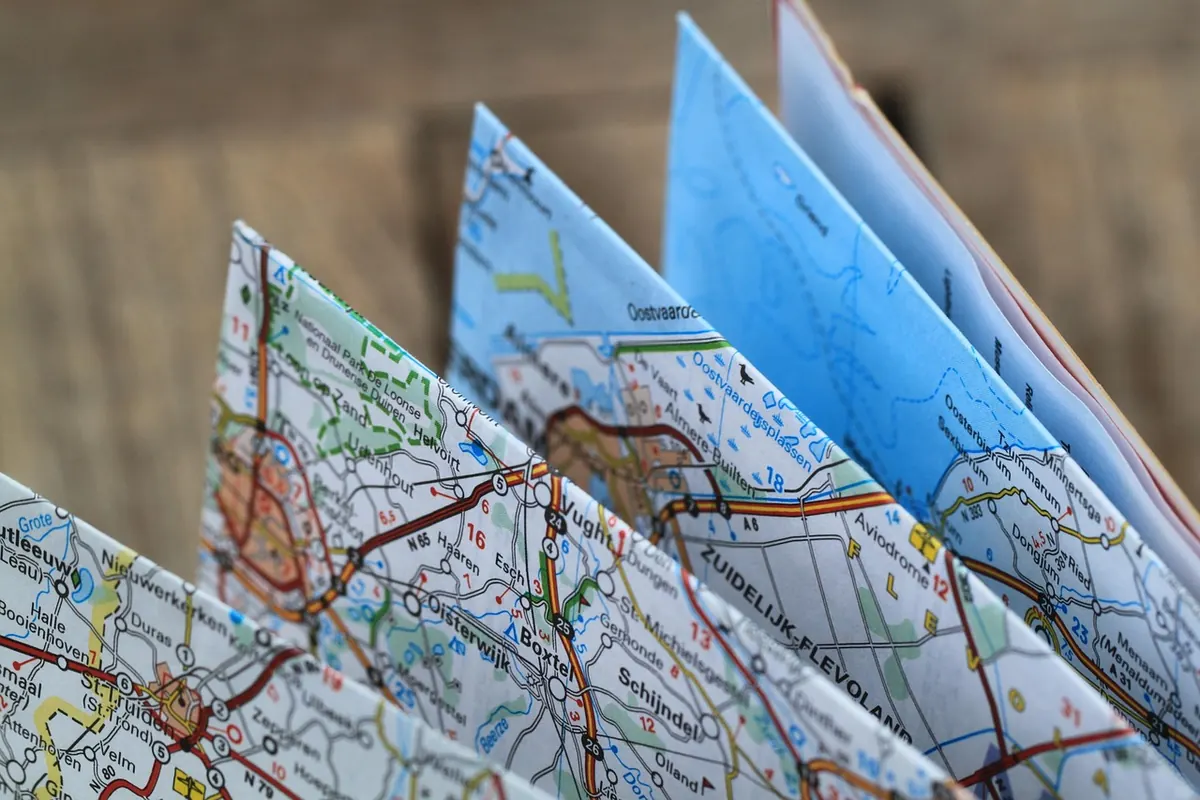
If you want one scenic detour, take the smaller road rather than the fast road, but check that it is paved and not a dead end. Coastal maps can be optimistic.
Day Three: The Scenic Drive and a Different Shore
Keep day three flexible. This is the day for the coastal road, a viewpoint, and a different beach. Leave after breakfast with a picnic in the car: bread, tomatoes, cheese, fruit, water. A picnic removes the pressure of finding lunch at exactly the wrong time in exactly the wrong place.
Drive the coast road in one direction, stop at the first viewpoint that has space to park safely, and resist the urge to photograph every bend. The best stops are often the ones with a low wall, a bench, and a clear view of the water. If you see a sign for a beach you do not know, follow it—provided the road looks reasonable and you have time to turn around.
Choose a second bay for the afternoon. Arrive after the morning rush, settle under a tree or an umbrella, and swim when you feel like it. Check the wind direction before you commit; the wrong side of a headland can be choppy while the next bay is calm. Your host’s advice matters here.
Practical points for the drive:
- Fill the tank before you leave the main town
- Carry small notes for parking meters and local markets
- Keep a towel and dry clothes in the car
- Download an offline map before you lose signal
- Turn back if a road becomes narrower than you are comfortable with
Return in the late afternoon, rinse off, and go out for a final dinner. Book it in the morning if you can. On the last night, choose the place you have been saving: the terrace with the view, the trattoria with the handwritten menu, or the harbor spot where the fish is simply grilled.
Local Food Stops Worth Planning Around
Coastal eating is mostly about timing. A bakery at 8:30 is a different place from a bakery at noon. A harbor restaurant at 1pm is full of purpose; at 3:30 it is cleaning up. Build your day around these small windows and you will eat better without trying hard.
Useful food stops:
- Bakery: breakfast and picnic bread, early
- Market: fruit, tomatoes, cheese, and anything local
- Harbor restaurant: lunch, short menu, fish
- Hill village trattoria: dinner, pasta, beans, roasted vegetables
- Gelateria: mid-afternoon, before the evening rush
At lunch, ask for the daily special rather than working through a long menu. At dinner, order fewer dishes than you think you need; coastal portions can be generous. If you are unsure about a wine, ask for a glass of the house white or red and see how it goes. And keep one meal simple: bread, tomatoes, olive oil, and a piece of cheese on the terrace can be as memorable as a restaurant.
Practical Notes for a Relaxed Three Days
Pack light, but pack for changeable weather: swimwear, a light rain jacket, a hat, comfortable walking shoes, and one smarter layer for dinner. A small cool bag is useful for picnic supplies and market stops. Keep cash on hand for parking and small purchases, even if cards are widely accepted.
Do not overplan the driving. One village in the morning and one bay in the afternoon is usually enough. If you are visiting in high season, book dinner a day ahead and arrive at popular beaches before mid-morning or after four. Check opening hours the night before; small shops and restaurants often close one day a week.
Finally, leave the last morning free. Have breakfast slowly, take one last walk to the bay, and pack without rushing. The best three-day getaway is not the one with the fullest itinerary. It is the one where you come home feeling like you actually arrived.
Photo: cocoparisienne / Pixabay