Most first trips to the Italian coast go wrong in small, fixable ways. Not because anyone did anything foolish, but because the coast works on its own rhythm: shops that close when you are hungry, beaches that are half booked by 9 a.m., roads that look short on a map and take an hour in August traffic. The good news is that nearly all of these mistakes are predictable. Once you know them, you can plan around them and spend your holiday doing the things you actually came for.
The map is lying to you about distance
A villa that sits "just 3 km from the beach" can mean a fifteen-minute walk down a road with no pavement, or a drive that doubles in July because everyone else had the same idea. First-time visitors tend to pick a base by looking at the coastline on a screen, then discover that the nearest sandy access is a private lido, that the nearest village with a bakery is uphill, and that the road between them has no shade after ten in the morning.
Before you book, do three things. Check the route from your accommodation to the beach on foot, not just by car. Look for a second, smaller beach or cove nearby in case the main one is crowded or closed for a private event. And confirm whether the property has parking — a real, allocated space, not a hopeful note about street parking in a village that fills up by 8:30.
Arrival day traps
Saturday afternoon in high season is the worst possible time to arrive by car. If you can, arrive on a weekday, or land early enough that you reach your accommodation before check-in officially opens. Supermarkets in resort towns get stripped on Saturday evenings and are often closed on Sunday mornings or for a long lunch break. Buy water, coffee, bread and fruit on the way in, not after you have unpacked and the nearest shop has shut its shutters.
Misreading the beach: lidi, free stretches and the afternoon exodus
Italian beaches are rarely one undivided stretch of sand. Most are run as concessions (a lido or bagno) with rows of umbrellas and sunbeds you pay for by the day, week or season. Between them sit smaller free areas, the spiaggia libera, where you spread your own towel and take your chances. Turning up at 10:30 in August and expecting to choose freely is the single most common disappointment.
- Book or arrive early. In peak weeks, front-row umbrellas go to regulars. Either reserve a spot the day before or reach the free area by 8:30.
- Ask what the price includes. Umbrella, two beds, sometimes a changing cabin and shower. Ask before you sit down, not after.
- Bring cash and small notes. Not every kiosk takes cards, and the bar at the far end of the beach rarely does.
- Respect the rules. Removing sand, pebbles or shells is prohibited in many areas, and lifeguards will whistle at you for swimming outside the flagged zone.
- Pack reef-safe sunscreen, a hat and a refillable bottle. Shade is scarce on free stretches and water fountains are not always nearby.
Then there is the timing. Italians often swim before lunch and again in the late afternoon; the hours between roughly 13:00 and 16:00 are for eating, sleeping and staying out of the sun. If you head down at 2 p.m. expecting a quiet beach, you will find the opposite around the lidos — loud, packed, and with the best spots already claimed. Go early, go late, and use the middle of the day for a long lunch.
Driving mistakes that cost you a whole day
The coast rewards drivers with views and punishes them with parking. A few habits will save you real time and money.
- Learn the parking colours. White lines are usually free, blue lines are paid (find the meter or the app), yellow lines are reserved — often for residents, deliveries or disabled permit holders. Parking on yellow is a reliable way to come back to a fine or a tow.
- Take ZTL signs seriously. Historic centres have limited-traffic zones marked by white-on-red signs and camera gates. There is no grace period; the fine arrives weeks later, sometimes more than once.
- Do not drive into the old town to "just drop bags". Park outside the walls, walk in, and move the car once. Your accommodation should tell you exactly where to stop.
- Leave the car at the port. For island day trips, ferries and hydrofoils are quicker, and port parking is usually cheaper than a day of circling.
- Skip the car for short hops. A 6 km coastal drive in August can take forty minutes; a local bus, a bike or a boat taxi often beats it.
If you plan to drink wine with lunch — and you should, at least once — decide who is driving before the first glass. Blood-alcohol limits in Italy are low, and roadside checks are common on coastal roads in summer. For anything involving fines, insurance or a dispute, keep the paperwork and seek proper local advice.
Dining at the wrong hours, in the wrong places
Restaurant kitchens keep strict hours. Lunch service typically runs from about 12:30 to 14:30; dinner starts at 19:30 or 20:00 and runs late. Between those windows, many kitchens close entirely — the bar will serve you a panino, but the restaurant will not. Plan your hunger around their clock, not yours.
Two more things surprise visitors. The coperto on your bill is a normal per-person cover charge for bread and service, not a scam, and tipping is modest and optional — rounding up is plenty. And a menu offered in four languages with photographs, positioned on the seafront promenade, is usually a warning. Walk two streets inland, look for a place where the menu is handwritten in Italian, and check whether locals are eating there at 20:30.
Small habits worth copying
Order coffee at the bar, standing, and pay a fraction of the table price. Ask for the primo and secondo separately rather than assuming a single main course. Confirm whether fish is sold by weight before you agree to it, since a whole sea bass can change the shape of the bill. And if you want a specific restaurant in August, book it by phone that morning.
Trying to see the whole coastline in five days
Coastal distances are deceptive. Three towns that look like a neat loop on a map can mean a full day of winding roads, missed parking and hurried meals. First-timers often build itineraries that assume they will move every day, then arrive home exhausted and unable to name a single beach they actually relaxed on.
Pick one base for at least three nights. Choose two or three nearby places worth a half-day each, and leave the rest of the time deliberately unplanned — a swim before breakfast, a long lunch, a walk along the water in the evening when the heat lifts. The best coastal days are rarely the most ambitious ones.
Underestimating sun, heat and the walk back
An afternoon beach walk with no shade and no water is a short route to a ruined evening. Carry more water than feels necessary, wear something on your shoulders between swims, and treat the hours around midday with respect. If you are travelling with children or older relatives, plan the return trip before the heat peaks rather than during it. Anyone with a heart condition, sun sensitivity or medication that affects heat tolerance should take proper medical advice before travelling in high summer.
Before you arrive: a short checklist
Confirm the parking situation in writing. Ask what time check-in actually opens. Find the nearest bakery, pharmacy and free beach on a map. Decide which two evenings you want to eat out and book one of them. Buy a small cooler bag and a second water bottle. Learn five words — ombrellone, spiaggia libera, coperto, grazie, permesso — and use them.
None of this requires rigid planning. It simply means working with the coast instead of against it: starting early, eating when the kitchen is open, parking where the lines say you can, and leaving enough space in the day for the sea to do its work.
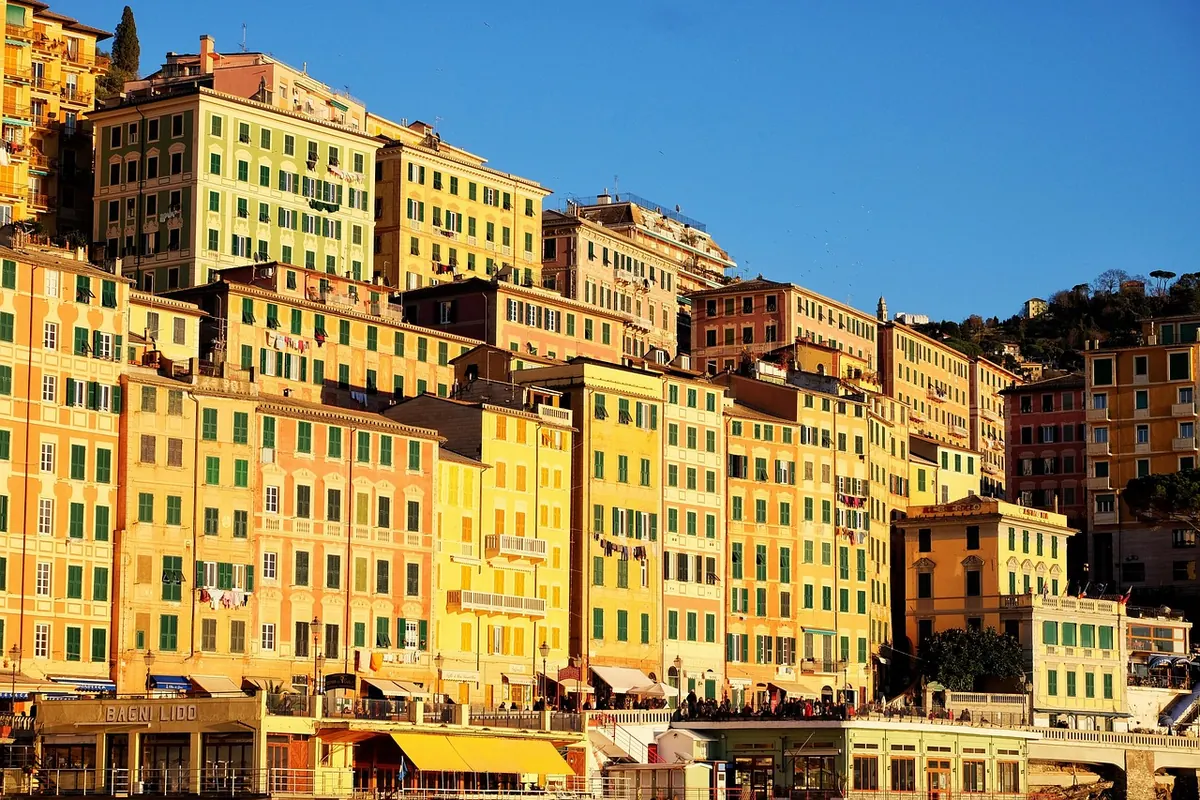
Photo: dexmac / Pixabay